Mwongozo wa Mtumiaji wa Saa ya Atomiki ya LFF LWC205
Model: LWC205
Digital Wall Clock with Indoor/Outdoor Temperature and Wireless Sensor
1. Utangulizi
Asante kwa ununuziasing the LFF Atomic Clock LWC205. This digital clock features a large, easy-to-read display, atomic time synchronization, indoor and outdoor temperature monitoring, and an alarm function. This manual provides detailed instructions for setup, operation, maintenance, and troubleshooting to ensure optimal performance of your device.
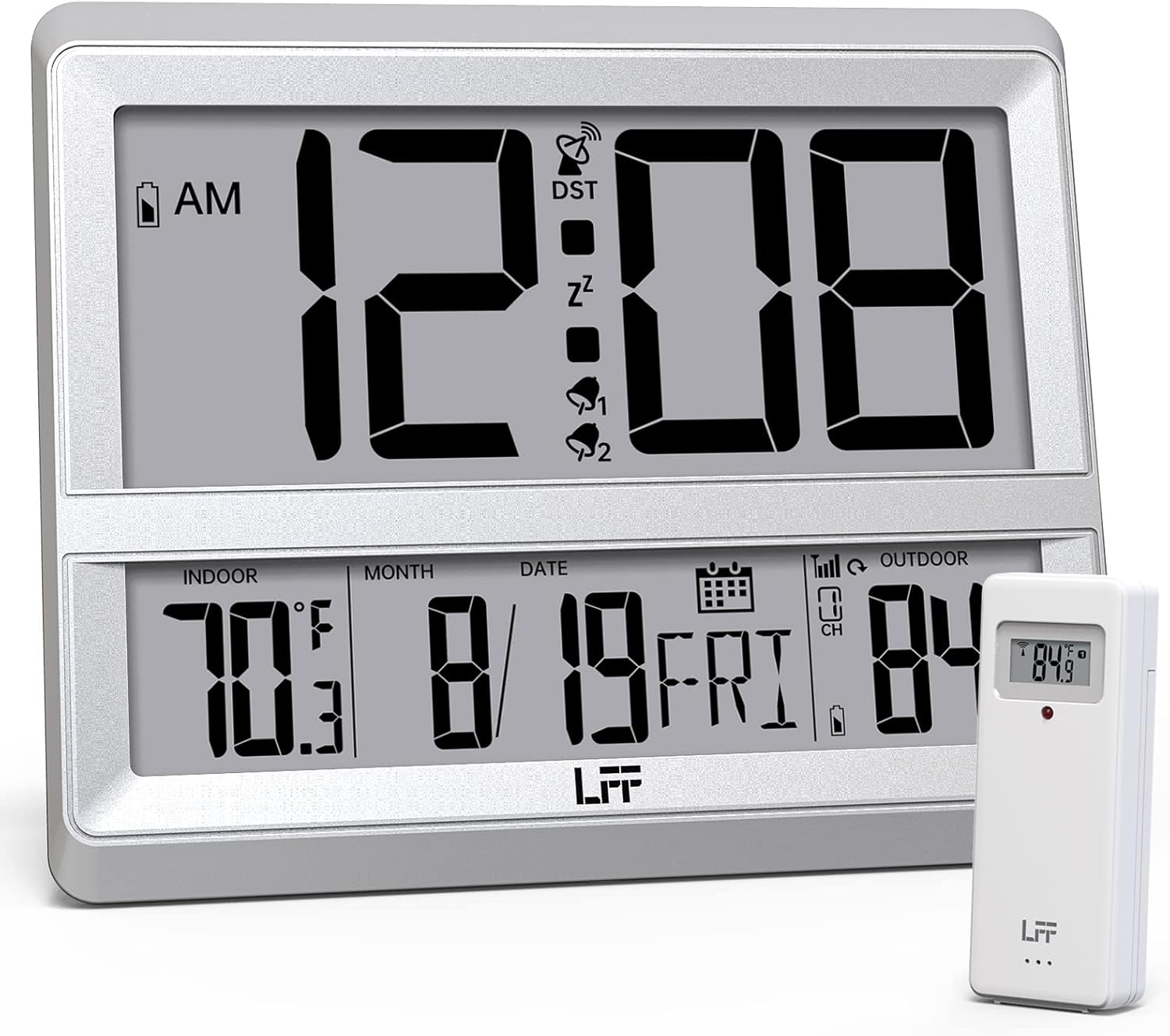
Image 1.1: The LFF Atomic Clock LWC205 main unit and its accompanying wireless outdoor sensor.
2. Bidhaa Imeishaview
2.1 Vipengee vya Kuonyesha

Image 2.1: Detailed diagram illustrating the various display elements and control buttons on the LFF Atomic Clock LWC205. Key features include the alarm clock icon, time display, RCC reception icon, DST symbol, outdoor temperature, indoor temperature, date, and weekday.
2.2 Control Buttons (Rear View)
The control buttons are located on the back of the main clock unit:
- Kitufe cha WEKA: Used to enter and confirm settings.
- Kitufe cha ALARM: Used to set and activate/deactivate the alarm.
- CHANNEL Button: Used to select the outdoor sensor channel (if multiple sensors are used).
- DOWN/WAVE/°C/°F Button: Used to decrease values during setting, manually initiate atomic time synchronization (wave), or switch between Celsius and Fahrenheit.
- UP/ALARM Button: Used to increase values during setting or activate/deactivate the alarm.
3. Kuweka
3.1 Kufungua
Carefully remove all components from the packaging. Ensure you have the main atomic clock unit and the wireless outdoor sensor.
3.2 Ufungaji wa Betri
Both the main clock unit and the wireless outdoor sensor require batteries (not included).
- Main Clock Unit: Open the battery compartment on the back of the clock. Insert 3 x betri za AA, ensuring correct polarity (+/-).
- Sensorer ya nje isiyo na waya: Open the battery compartment on the back of the sensor. Insert Betri 2 x AAA, ensuring correct polarity (+/-). For temperatures below -4°F (-20°C), lithium batteries are recommended for the outdoor sensor.

Image 3.1: Instructions for installing 3xAA batteries in the main clock unit and 2xAAA batteries in the wireless outdoor sensor.
3.3 Uwekaji wa Sensorer
Place the wireless outdoor sensor in a shaded, dry location away from direct sunlight and precipitation. The sensor has a wireless range of up to 330 feet (100 meters) from the main unit. Ensure there are no major obstructions between the sensor and the clock for optimal signal transmission.

Image 3.2: Illustration of the 330ft wireless range between the main clock unit and the outdoor temperature sensor.
3.4 Clock Placement
The LFF Atomic Clock LWC205 offers two placement options:
- Table Clock: Use the integrated stand on the back of the unit to place it on a desk, nightstand, or shelf.
- Wall Clock: Utilize the keyhole slot on the back of the unit to mount it securely on a wall.

Image 3.3: The LFF Atomic Clock can be placed on a table using its built-in stand or mounted on a wall.
4. Maagizo ya Uendeshaji
4.1 Atomic Time Synchronization (WWVB)
The clock automatically synchronizes with the WWVB radio broadcast from Fort Collins, Colorado, ensuring accurate time. This process typically occurs overnight. For best reception, place the clock near a window and away from electronic interference.

Image 4.1: The atomic clock automatically corrects its time daily by receiving the WWVB signal, covering eight time zones and adjusting for Daylight Saving Time.
4.2 Mpangilio wa Muda na Tarehe Mwongozo
In areas where the WWVB signal is weak or unavailable, you can manually set the time and date:
- Bonyeza na ushikilie WEKA kitufe cha kuingiza hali ya kuweka wakati.
- Tumia UP or CHINI vifungo vya kurekebisha thamani inayowaka (kwa mfano, saa, dakika, mwaka, mwezi, siku).
- Bonyeza kwa WEKA button to confirm each setting and move to the next.
- The clock will exit setting mode automatically after a few seconds of inactivity or by pressing WEKA repeatedly until all settings are confirmed.
4.3 Temperature Display (°C/°F)
The clock displays both indoor and outdoor temperatures. To switch between Celsius (°C) and Fahrenheit (°F):
- Bonyeza kwa DOWN/WAVE/°C/°F button to toggle the temperature unit.
Umbizo la Saa 4.4 12/24
To switch between 12-hour and 24-hour time formats:
- Bonyeza kwa UP button to toggle between 12-hour (with AM/PM indicator) and 24-hour formats.
4.5 Kazi ya Kengele
Ili kuweka kengele:
- Bonyeza kwa ALARM button once to display the current alarm time.
- Bonyeza na ushikilie ALARM kitufe cha kuingiza modi ya kuweka kengele.
- Tumia UP or CHINI vifungo vya kurekebisha saa na dakika.
- Bonyeza kwa ALARM kitufe cha kuthibitisha kila mpangilio.
Ili kuwezesha/kuzima kengele:
- Bonyeza kwa ALARM button repeatedly to cycle through alarm ON/OFF states. An alarm icon will appear on the display when activated.
5. Matengenezo
5.1 Ubadilishaji wa Betri
When the low battery indicator appears on the display, replace the batteries in the respective unit (main clock or outdoor sensor) promptly to ensure continuous operation and accurate readings. Refer to Section 3.2 for battery types and installation.
5.2 Kusafisha
Clean the clock and sensor with a soft, dry cloth. Do not use abrasive cleaners or solvents, as these may damage the display or casing.
5.3 Mazingatio ya Mazingira
The outdoor sensor is designed for outdoor use but should be protected from extreme weather conditions. The recommended operating temperature range for the outdoor sensor is -58°F to 158°F (-50°C to 70°C). For temperatures below -4°F (-20°C), lithium batteries are required in the outdoor sensor for reliable performance.
6. Utatuzi wa shida
- Hakuna Onyesho/Onyesho hafifu: Check battery installation and replace with fresh batteries if necessary. Ensure correct polarity.
- Hakuna Usomaji wa Joto la Nje:
- Ensure batteries are correctly installed in the outdoor sensor.
- Verify the sensor is within the 330ft wireless range of the main unit.
- Bonyeza kwa KITUO button on the main unit to ensure it is on the correct channel (if applicable).
- Relocate the sensor or main unit to improve signal reception, avoiding large metal objects or other electronic devices.
- Muda Usio Sahihi:
- Ensure the clock is attempting to receive the WWVB signal (look for the RCC reception icon).
- Place the clock near a window and away from electronic interference for better signal reception.
- Manually initiate a signal search by pressing the DOWN/WAVE kitufe.
- If atomic synchronization fails, manually set the time as described in Section 4.2.
- Temperature Readings Seem Inaccurate:
- Ensure the outdoor sensor is placed in a shaded area, away from direct sunlight or heat sources.
- Angalia viwango vya betri katika vitengo vyote viwili.
7. Vipimo
| Kipengele | Maelezo |
|---|---|
| Chapa | LFF |
| Nambari ya Mfano | LWC205 |
| Aina ya Kuonyesha | Dijitali |
| Rangi | Fedha |
| Kipengele Maalum | Atomic Time, Indoor/Outdoor Temperature, Alarm |
| Vipimo vya Bidhaa | 7.48"W x 8.66"H |
| Power Source (Clock) | Betri 3 x AA (hazijajumuishwa) |
| Chanzo cha Nguvu (Sensorer) | Betri 2 x AAA (hazijajumuishwa) |
| Matumizi ya Ndani/Nje | Indoor (Clock), Outdoor (Sensor) |
| Kiwango cha Joto la nje | -58°F hadi 158°F (-50°C hadi 70°C) |
| Kiwango cha Joto la ndani | 32°F hadi 122°F (0°C hadi 50°C) |
| Wireless Sensor Range | Hadi futi 330 (mita 100) |
| Aina ya Kuweka | Mlima wa Ukuta, Sehemu ya Ubao |
| Nyenzo | Acrylonitrile Butadiene Styrene (ABS) Plastiki |
| Uzito wa Kipengee | Pauni 0.9 (wakia 14.4) |
8. Taarifa za Udhamini
Warranty information was not provided in the product data. Please refer to the product packaging or contact the manufacturer directly for details regarding warranty coverage and terms.
9. Msaada kwa Wateja
For further assistance or inquiries, please contact LFF customer support. Contact details were not provided in the product data. Please refer to the product packaging or the official LFF webtovuti kwa maelezo ya mawasiliano ya huduma kwa wateja.


