
1. Utangulizi
This manual provides essential information for the proper installation, operation, and maintenance of the ALDES OCTA Passive Sound Trap D125 + Seal. This product is designed to attenuate noise from fans or central ventilation units propagating through duct networks, particularly effective in medium frequency ranges. It is suitable for both extraction and insufflation (supply) ventilation systems.
Please read this manual thoroughly before installation and use to ensure optimal performance and safety.
2. Maagizo ya Usalama
- Wafanyakazi Waliohitimu: Installation and maintenance should only be performed by qualified personnel in accordance with local regulations and standards.
- Vifaa vya Kinga vya Kibinafsi (PPE): Always wear appropriate PPE, including gloves and eye protection, during installation and handling.
- Usalama wa Umeme: Ensure all power to ventilation systems is disconnected before beginning any installation or maintenance work.
- Ufungaji Salama: Ensure the sound trap is securely mounted and supported to prevent accidental detachment or vibration.
- Ushughulikiaji wa Nyenzo: The product weighs approximately 4.8 kg. Use proper lifting techniques or assistance to prevent injury.
- Uingizaji hewa: Hakikisha uingizaji hewa wa kutosha katika eneo la kazi.
3. Vipengele
The ALDES OCTA Passive Sound Trap D125 + Seal package typically includes the following components:
- ALDES OCTA Passive Sound Trap D125: The main cylindrical unit designed for noise attenuation.
- Muhuri: A gasket or sealing ring to ensure an airtight connection with the ventilation ductwork.
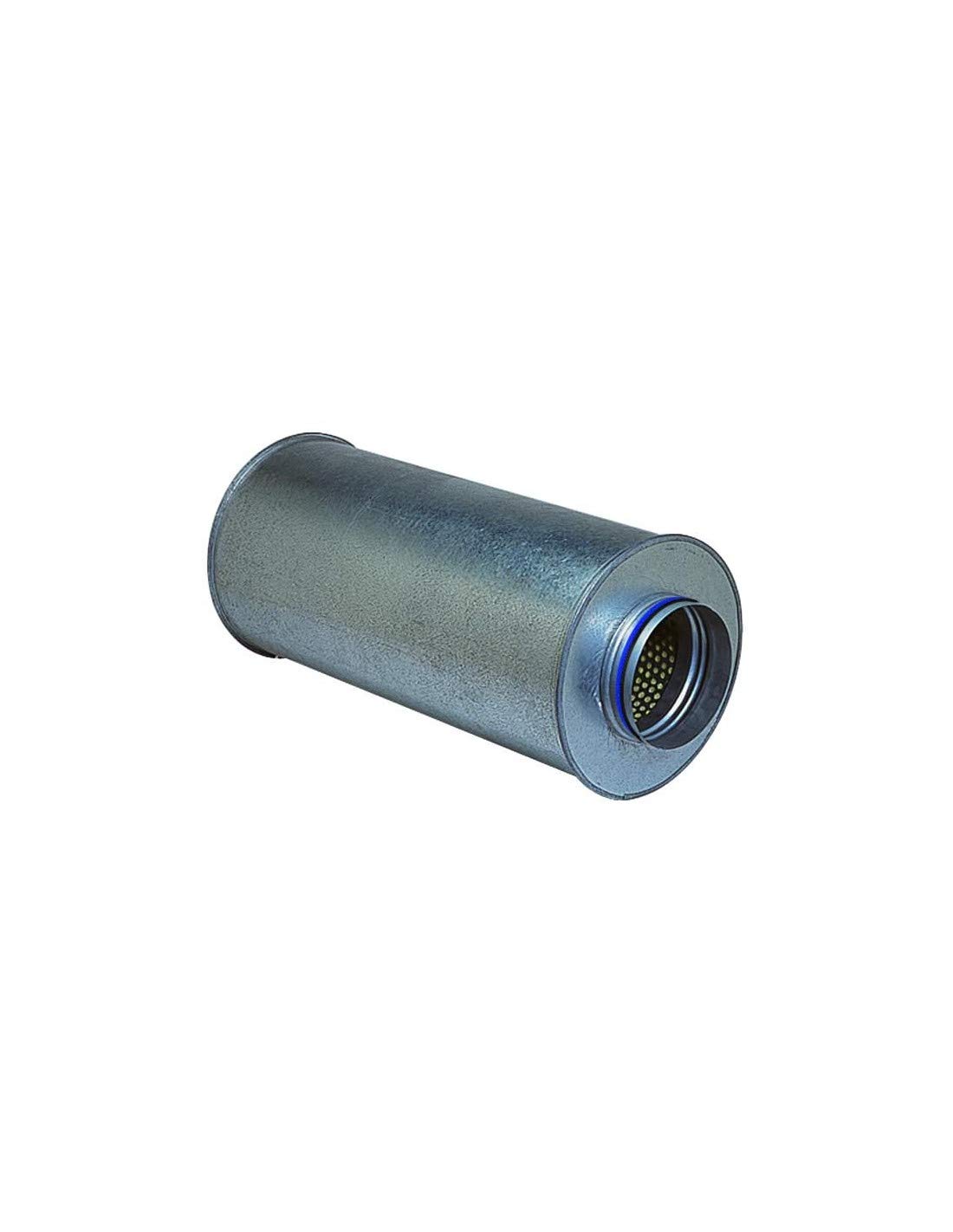
Figure 1: ALDES OCTA Passive Sound Trap D125. This image shows the main cylindrical unit, typically constructed from galvanized sheet metal, with a perforated inner casing. The seal, though not distinctly visible, is an integral part for connection.
4. Ufungaji
Follow these general steps for installing the ALDES OCTA Passive Sound Trap. Specific installation methods may vary based on your ventilation system configuration.
- Uwekaji wa Mpango: Identify the optimal location in your ductwork where noise attenuation is most needed. The sound trap should be installed in a straight section of ducting, away from bends or obstructions, for maximum effectiveness.
- Tayarisha ductwork: Ensure the duct ends are clean, smooth, and free from burrs. The duct diameter should match the D125 (125mm) diameter of the sound trap.
- Insert Seal: If the seal is separate, ensure it is correctly positioned on the sound trap's connection points or within the ductwork to create an airtight seal.
- Connect Sound Trap: Carefully insert the sound trap into the prepared ductwork. Ensure a snug fit.
- Miunganisho Salama: Tumia cl inayofaaamps, screws, or duct tape (as per local regulations and system requirements) to secure the sound trap to the ductwork. Ensure all connections are airtight to prevent air leakage and maintain system efficiency.
- Usaidizi: For longer or heavier installations, provide additional support for the sound trap and ductwork to prevent sagging or stress on connections.
- Kagua: After installation, visually inspect all connections for proper sealing and secure mounting.
5. Uendeshaji
The ALDES OCTA Passive Sound Trap D125 + Seal is a passive device and does not require electrical power or active controls for its operation. Once correctly installed within the ventilation system, it functions continuously to reduce noise levels.
- Kupunguza kelele: The sound trap works by absorbing and dissipating sound energy as air passes through its specially designed internal structure, which includes a perforated inner casing and sound-absorbing material (not explicitly mentioned in description but implied by "passive sound trap").
- Mtiririko wa hewa: Ensure that the sound trap is not obstructed internally, as this could impede airflow and reduce the efficiency of your ventilation system.
- Continuous Function: The device operates whenever the ventilation system is active, providing ongoing noise reduction.
6. Matengenezo
The ALDES OCTA Passive Sound Trap D125 + Seal requires minimal maintenance. Regular inspections are recommended to ensure optimal performance.
- Ukaguzi wa Kuonekana (Kila Mwaka): Periodically inspect the exterior of the sound trap and its connections for any signs of damage, corrosion, or loose fittings.
- Internal Inspection (Every 2-3 Years or as needed): If accessible, inspect the interior for any accumulation of dust, debris, or foreign objects that might obstruct airflow or reduce acoustic performance. Clean if necessary using a soft brush or vacuum cleaner.
- Tiba Uadilifu: Check the integrity of the seal at the connections. Replace if cracks or deterioration are observed to maintain airtightness.
- Kusafisha: Do not use harsh chemicals or abrasive materials for cleaning. A damp cloth is sufficient for external cleaning.
7. Utatuzi wa shida
If you experience issues with noise attenuation or airflow after installing the sound trap, consider the following:
| Tatizo | Sababu inayowezekana | Suluhisho |
|---|---|---|
| Kupunguza Kelele Haitoshi |
|
|
| Mtiririko wa hewa uliopunguzwa |
|
|
| Vibration or Rattling Noise |
|
|
8. Vipimo
| Kipengele | Maelezo |
|---|---|
| Nambari ya Mfano | 11094632 |
| Chapa | ALDES |
| Aina ya Bidhaa | Passive Sound Trap |
| Kipenyo | D125 (125 mm) |
| Maombi | Noise attenuation in ventilation networks (extraction and insufflation) |
| Masafa ya Marudio yenye Ufanisi | Medium frequencies |
| Sehemu ya Nje Casing Nyenzo | Karatasi ya chuma ya mabati |
| Interior Casing Nyenzo | Perforated galvanized sheet metal |
| Rangi | Fedha |
| Uzito wa Kipengee | Kilo 4.8 |
| Vitengo | 1 Jumla |
9. Udhamini na Msaada
ALDES products are manufactured to high-quality standards. For specific warranty information, please refer to the documentation provided with your purchase or visit the official ALDES website. In case of technical issues or questions not covered in this manual, please contact ALDES customer support or your authorized dealer.
ALDES Official Webtovuti: www.aldes.com (This is a placeholder link, please verify the actual ALDES website for your region).